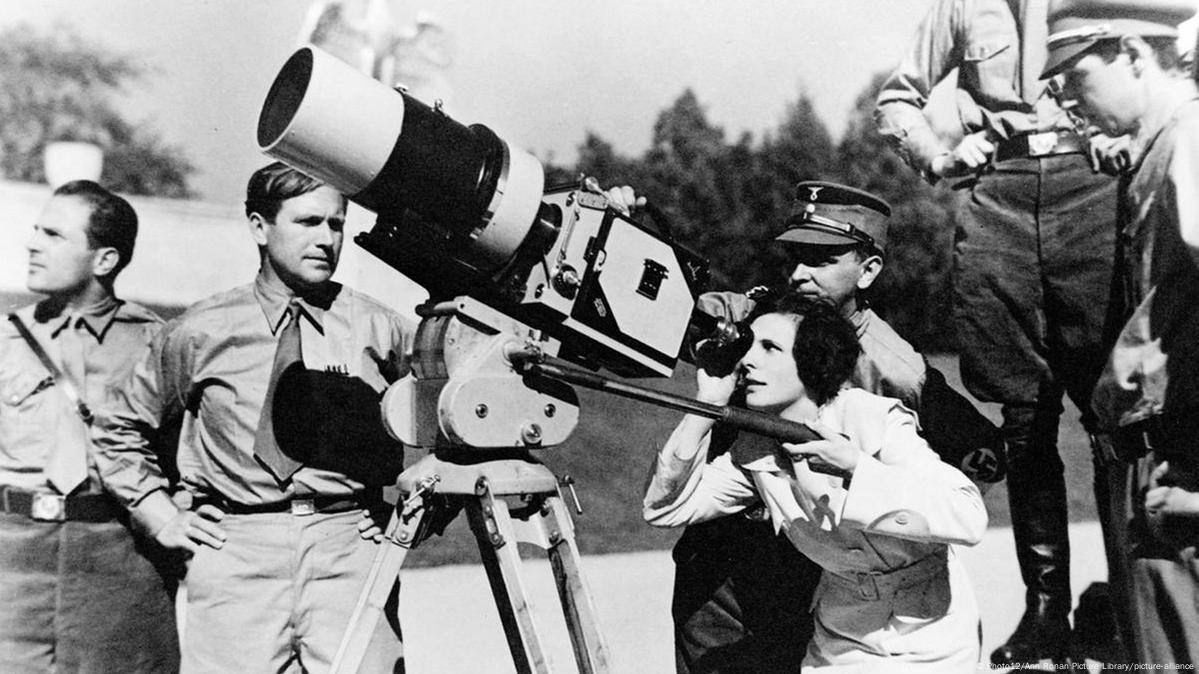
𝚁𝚒𝚎𝚏𝚎𝚗𝚜𝚝𝚊𝚑𝚕 𝙳𝚒𝚛𝚎𝚌𝚝𝚎𝚍 𝚋𝚢 : 𝙰𝚗𝚍𝚛𝚎𝚜 𝚅𝚎𝚒𝚎𝚕
- Narges Samadi

- 4 days ago
- 2 min read

مستند Riefenstah به کارگردانی آندرس وایل (Andres Veiel) زندگی لنی ريفناشتال را با نگاهی انتقادی بررسی میکند. او فیلمسازی است که نامش همواره میان تحسین هنری و محکومیت اخلاقی در تاریخ سینما باقی مانده است.
این مستند روایتگر کارنامهی او از شاهکارهایی مثل Triumph of the Will و Olympia تا سالهای پایانی زندگیاش است و برای نخستین بار از آرشیو شخصیاش شامل فیلمهای خانگی، نامهها، یادداشتها و مکالمات خصوصی استفاده میکند. پرسشی که مطرح میشود این است که آیا ريفناشتال تنها یک هنرمند بیطرف بود یا آگاهانه در خدمت ایدئولوژی فاشیستی قرار گرفت؟ حتی ادعا میشود که ممکن است او شاهد کشتار یهودیان در لهستان بوده باشد.
فیلم تلاش میکند تصویری را که ريفناشتال پس از جنگ از خود ساخته بود، یعنی «من فقط یک هنرمند بودم»، به چالش بکشد و نشان دهد که زیباییشناسی آثارش تا چه اندازه با آرمانهای نازیها پیوند خورده است. این مستند یادآوری میکند که تصویر، قدرت و زیبایی میتوانند هم الهامبخش باشند و هم ابزار فریب و سلطه.
در نهایت پرسش اصلی همچنان باقی است:
آیا سینما فقط هنر است یا میتواند در خدمت قدرت و سیاست قرار میگیرد ؟
🎬 The documentary Riefenstahl (2024) directed by Andres Veiel takes a critical look at the life of Leni Riefenstahl, a filmmaker whose name has always stood between artistic admiration and moral condemnation in the history of cinema.
The film revisits her career, from masterpieces like Triumph of the Will and Olympia to the later years of her life, and for the first time uses her private archive of home movies, letters, notes, and personal conversations. It raises the central question: was Riefenstahl merely an independent artist, or did she consciously serve a fascist ideology? It even suggests that she may have witnessed the massacre of Jews in Poland.
The documentary challenges the image Riefenstahl tried to create after the war, “I was only an artist” and shows how deeply her aesthetics were tied to Nazi ideals. It reminds us that images, power, and beauty can inspire, but they can also be tools of deception and domination.
In the end, one question remains:
Is cinema just art, or can it also serve power and politics?


Comments